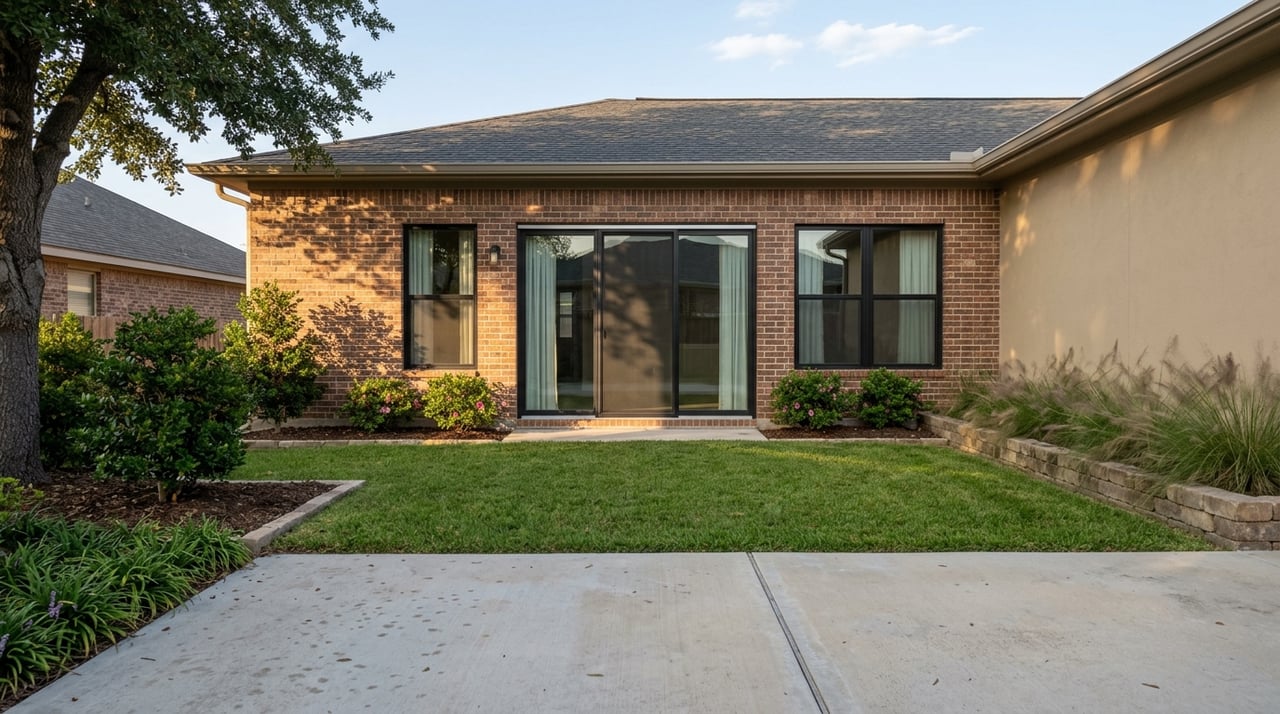
Is A Katy TX Home A Smart Long-Term Investment?
May 7, 2026
May 7, 2026
If you are thinking about buying in Katy, you are probably asking a smart question: will this home help you build wealth over time, or just give you another monthly bill? That matters even more in a market where headlines can feel mixed and every neighborhood tells a slightly different story. The good news is that Katy has several signs of long-term strength, but the details matter. Let’s dive in.
A Katy home can be a smart long-term investment, but it is usually strongest as a buy-right-and-hold play rather than a quick cash-flow win. The local case is built on population growth, a broad employer base, strong regional access, and steady owner-occupant demand. At the same time, prices, rents, taxes, and flood-related costs can vary a lot by address.
That means the right question is not just whether Katy is a good investment. The better question is whether a specific Katy property fits your long-term goals, budget, and risk tolerance.
One reason Katy stays on buyers’ and investors’ radar is growth. The City of Katy estimates its 2025 population at 28,121, up from 21,894 in the 2020 Census. The Census also estimated 27,741 residents in 2024.
For you as a buyer, that kind of growth matters because it can support housing demand over time. In suburban markets, steady population gains often help support resale interest, rental demand, and long-term stability.
Katy is not only a growth market. It also has a strong base of people who live in the homes they own. Census data shows 80.7% of housing units are owner-occupied, and 28.4% of residents are under 18.
That points to a market with a stable residential backbone rather than one driven mainly by speculation. It also suggests that many buyers in Katy are thinking long term, which can help support values over time.
Katy ISD remains an important demand anchor in the area. The district reported more than 97,000 students for the 2025-2026 school year and projects about 2,000 new students each year. It also opened new campuses, including Boudny Elementary and Cross Elementary, in August 2025.
For long-term investors and future homeowners, that growth signals continued absorption in the area. It shows that Katy is still expanding and changing, not standing still. Still, it is important to remember that attendance boundaries can shift as the district responds to growth.
A strong long-term housing market usually needs more than rooftops. It also needs jobs and access to work. Katy benefits from both.
The City of Katy describes itself as the hub of Harris, Waller, and Fort Bend counties and notes that it sits about 30 miles west of Houston. The Katy Area Economic Development Council points to the area’s transportation assets, workforce opportunities, and labor pool, with major employers including Katy ISD, Shell USA, BP America, Academy Sports + Outdoors, Houston Methodist West Hospital, and Memorial Hermann Katy Hospital.
For you, that diversity matters. A market with multiple employment drivers is generally more resilient than one tied to a single industry.
Katy’s connection to Houston is part of its value. Many people want suburban housing options while keeping access to major employment centers. Census data shows a mean commute time of 31.3 minutes, which fits Katy’s role as a commuter suburb.
That regional connection can support demand across different buyer and renter groups. If you are thinking long term, access often remains one of the most durable parts of a home’s value story.
Katy’s long-term outlook may be solid, but the current market is not a runaway appreciation story. Zillow reports an average home value of $338,082, down 3.5% year over year, while Redfin shows a median sale price of $340,000, down 1.4% year over year. Homes are also taking several weeks to go pending, with Zillow reporting about 48 days and Redfin about 55 days.
That is not necessarily bad news. In fact, for careful buyers, a cooler or more balanced market can create room for better pricing decisions and stronger negotiations. It simply means you should not count on instant appreciation to make the deal work.
If you are buying with investment in mind, Katy’s rental math needs a close look. Zillow shows an average rent of $2,231, which works out to about $26,772 in rough annual rent. Compared with the average home value of $338,082, that is a gross yield of about 7.9% before expenses.
That sounds useful, but gross yield is only a starting point. It does not include taxes, insurance, vacancy, repairs, HOA dues, or financing. Once those costs enter the picture, the gap between a decent-looking deal and a weak one can get wide fast.
Census figures help show why some financed purchases may feel tight from a monthly cash-flow standpoint. The ACS reports median selected monthly owner costs with a mortgage at $2,953, compared with median gross rent of $1,602.
These numbers are not a direct match to current listing data, but they still tell you something important. In Katy, the strongest investment case often comes from long-term appreciation, principal paydown, and stable demand, not from expecting easy monthly cash flow on day one.
One of the biggest mistakes buyers make is treating Katy like a single market. It is not. Pricing and rents vary across zip codes, neighborhoods, and community types.
Research shows a wide range, from lower-priced entry points in areas like 77449 to higher-end segments like 77494, with rental levels also changing by submarket. In practical terms, you may be choosing between a lower purchase price with potentially better gross yield or a higher-priced home with stronger tenant appeal and different long-term resale characteristics.
In Katy, many buyers and investors focus on single-family homes in established neighborhoods or master-planned communities. Newer homes and amenity-rich communities may attract steady interest and possibly lower turnover, while older or lower-basis homes may offer different pricing advantages but require more maintenance discipline.
Neither path is automatically better. What matters is how the property fits your goals, your expected holding period, and the true cost of owning it.
This is one of the most important details in Katy, especially in Waller County. Katy spans Harris, Waller, and Fort Bend counties, and tax bills can include multiple layers such as city, county, school district, drainage district, ESD, and MUD charges. Waller County also states that property taxes are due by January 31, with penalties and interest beginning February 1 if unpaid.
For you, this means a home that looks affordable at first glance may carry much higher ongoing costs than a similar home in another part of Katy. Before you decide a property is a smart investment, you need a parcel-specific tax review.
Flood and drainage risk is another issue you should take seriously. TxDOT’s Inner Katy Corridor materials note that the corridor crosses about 85 acres of the 100-year floodplain and references heavy-rain impassability in some areas. The agency also shows ongoing plans for managed lanes and drainage improvements.
This creates a mixed picture. Infrastructure investment can support long-term demand, but flood exposure, drainage concerns, and insurance costs can affect livability, resale performance, and your carrying costs. In Katy, micro-location matters a lot.
Access helps support Katy’s long-term value, but congestion is part of the story too. TxDOT says the I-10 segment from I-610 to I-45 is the seventh most congested roadway segment in Texas.
That does not erase Katy’s appeal. It simply means convenience can differ sharply depending on where a home sits and how you plan to use it. A property’s exact location relative to major routes can influence daily experience and future buyer appeal.
In many cases, yes. Katy has several ingredients that support long-term value: population growth, steady owner-occupant demand, expanding area infrastructure, a broad employer base, and strong regional connectivity. Those are meaningful strengths for both homeowners and long-term investors.
But the smartest answer is a careful one. A Katy home is most likely to be a solid long-term investment when you buy the right property, in the right submarket, with realistic expectations around taxes, insurance, maintenance, and flood risk. It is a market where strategy matters more than hype.
Before you buy, focus on the numbers and the location details that can shape long-term performance.
If you want to make a smart move in Katy, you do not need perfect market timing. You need clear guidance, careful due diligence, and a plan that fits your goals.
When you are ready to evaluate a home in Katy with a practical, long-term lens, reach out to Priscilla Raji for thoughtful guidance backed by local market insight.
Stay up to date on the latest real estate trends.
At Summit Realty Homes, we believe buying or selling a home in Houston should feel strategic, seamless, and rewarding. Our team combines deep market knowledge, skilled negotiation, and personalized service to help you achieve the best possible outcome. From first showing to final closing, we advocate for your goals and protect your investment every step of the way.

SUMMIT REALTY HOMES
5599 San Felipe Houston, TX 77056