Preparing To Sell Your Home In Katy TX
May 21, 2026
May 21, 2026
Selling your home in Katy or nearby Waller can still go well in today’s market, but it takes more than putting a sign in the yard and hoping for a quick offer. If you are thinking about listing soon, you may be wondering what really matters most right now: pricing, repairs, timing, or presentation. The good news is that with the right plan, you can focus your time and money where it counts most and avoid common mistakes. Let’s dive in.
Katy and Waller are both active markets, but they are not moving at the same pace. In Katy, the April 2026 HAR snapshot shows a median sold price of $355,000, an average price of $422,524, 561 transactions, and 25 days on market. In nearby Waller, HAR’s May 2026 update shows a balanced market with 6.7 months of inventory, 59.4 days on market, and a median sold price of $321,569.
That difference matters when you prepare to sell. A home in Katy may attract attention faster, while a home in Waller may need even more careful pricing and stronger presentation to stand out. Across Greater Houston, the market has become more balanced too, with active listings up 6.5% and days on market up to 60 in April 2026.
For you as a seller, the takeaway is simple: you cannot rely on the idea of a “hot market” alone. Buyers have more choices than they did in recent years, and many are paying close attention to condition and value. That means your prep work can directly affect how quickly your home sells and how much negotiating room you keep.
One of the most important steps before listing is setting a price based on recent closed sales in your neighborhood or subdivision. Closed sales show what buyers have actually agreed to pay, which makes them much more useful than active listings or broad online estimates. In a balanced market, an unrealistic price can slow everything down from the start.
Texas A&M’s April 2026 housing insight shows that statewide inventory had climbed to 4.8 months in February, average days on market reached 82, and median seller price cuts hit $16,900, or 4.9% off the initial list price. In Houston, the median price cut was even higher at $19,500, or 5.3% off list. Those numbers suggest that overpricing often leads to a longer wait and a later reduction.
That does not mean you should underprice your home. It means you should aim for a number that reflects recent neighborhood sales, current competition, and your home’s condition. A well-priced home can create stronger early interest, while an overpriced home may sit long enough for buyers to wonder what is wrong.
Many sellers assume starting high leaves room to negotiate. In reality, a home that lingers can lose momentum and invite lower offers. Realtor.com’s 2026 seller survey found that 39% of potential sellers expect to make concessions, which makes smart pricing even more important.
A careful pricing strategy can also help you avoid chasing the market down with repeated cuts. When your list price matches what buyers are seeing in recent sold data, you give yourself a better chance to attract serious buyers early. That first wave of attention is often the strongest.
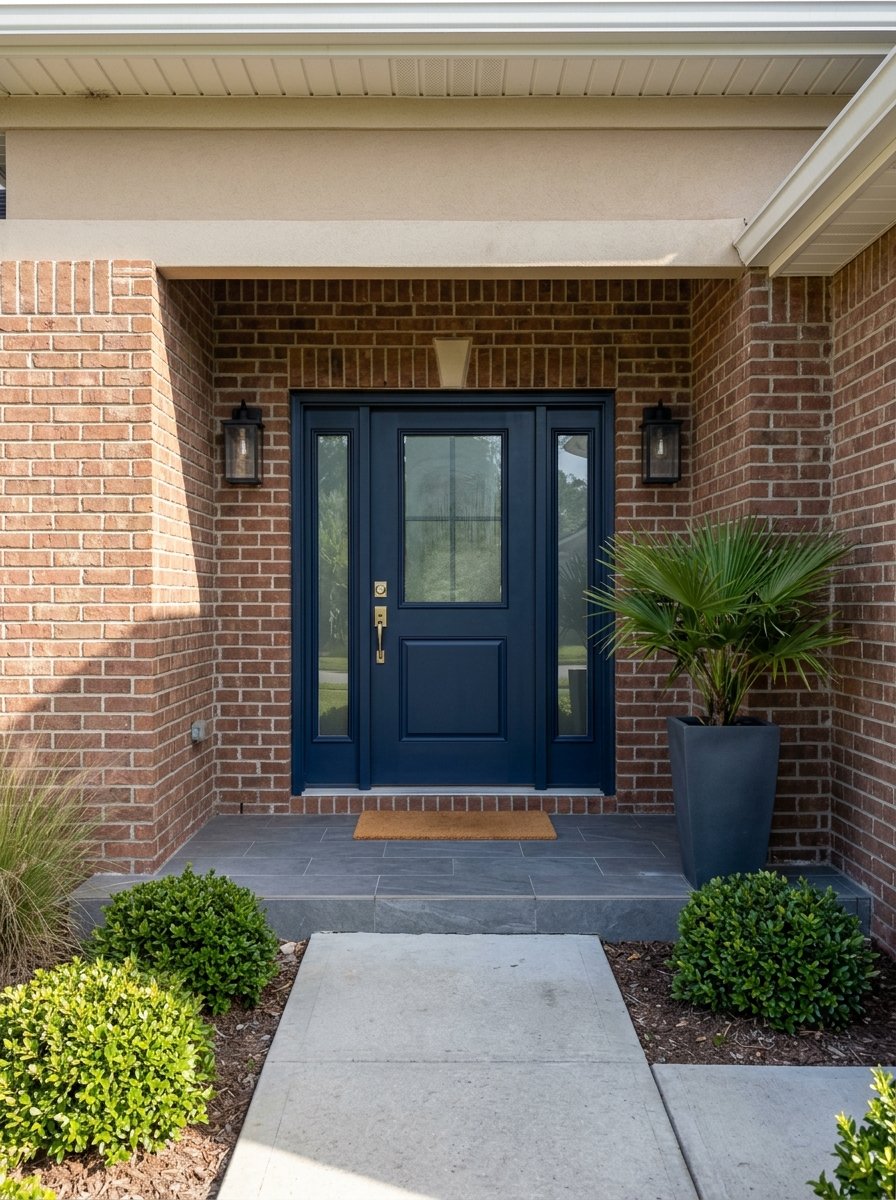
If you are deciding what to fix before selling, small visible improvements usually make more sense than major remodels. According to the 2025 Remodeling Impact Report, projects with strong cost recovery included a new steel front door at 100%, closet renovation at 83%, a new fiberglass front door at 80%, and new vinyl windows at 74%. By comparison, a minor kitchen upgrade and a full kitchen renovation were both listed at 60% cost recovery, while bathroom renovation came in at 50%.
That does not mean every seller should replace doors or windows before listing. It means visible updates and practical improvements often do more for resale than expensive projects that may not fully pay you back. NAR also reports that real estate professionals most often recommend painting the entire home, painting one room, and replacing roofing before selling.
Before you spend heavily, focus on the items buyers notice right away:
NAR also found that 46% of buyers are less willing to compromise on a home’s condition. That makes basic maintenance and cosmetic cleanup especially important. If buyers see unfinished repairs, they may assume there are bigger hidden problems behind them.
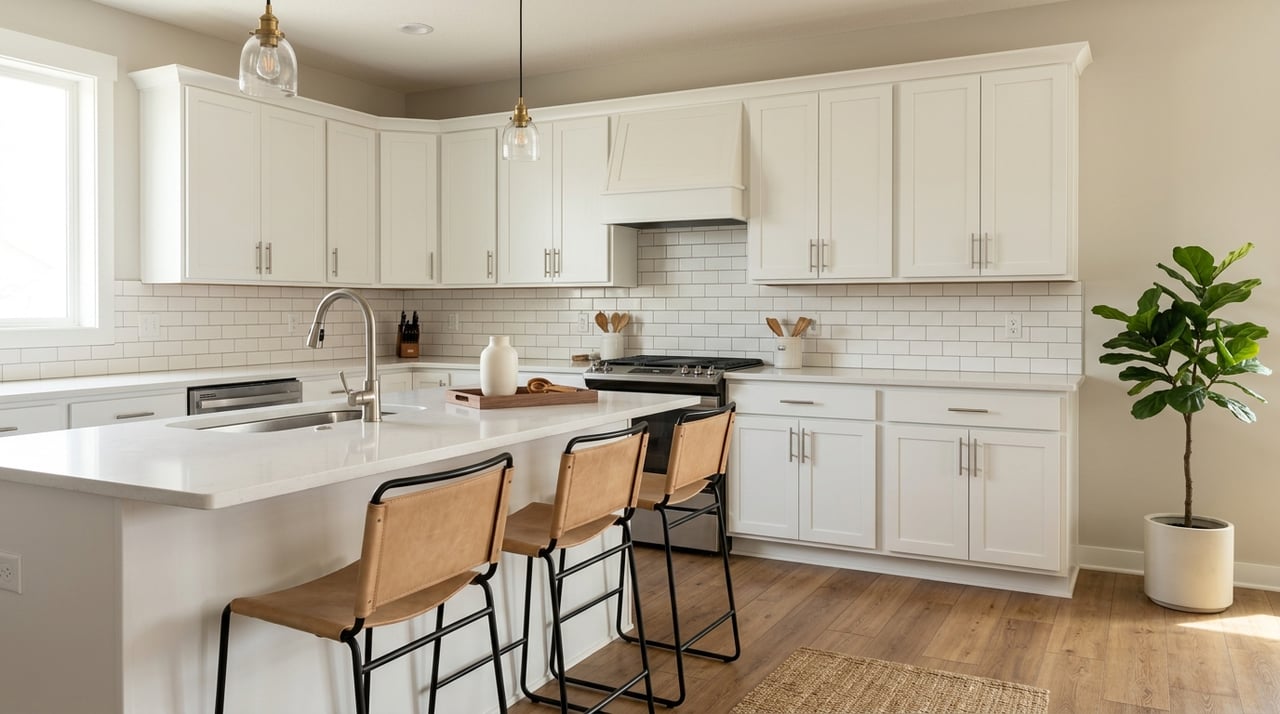
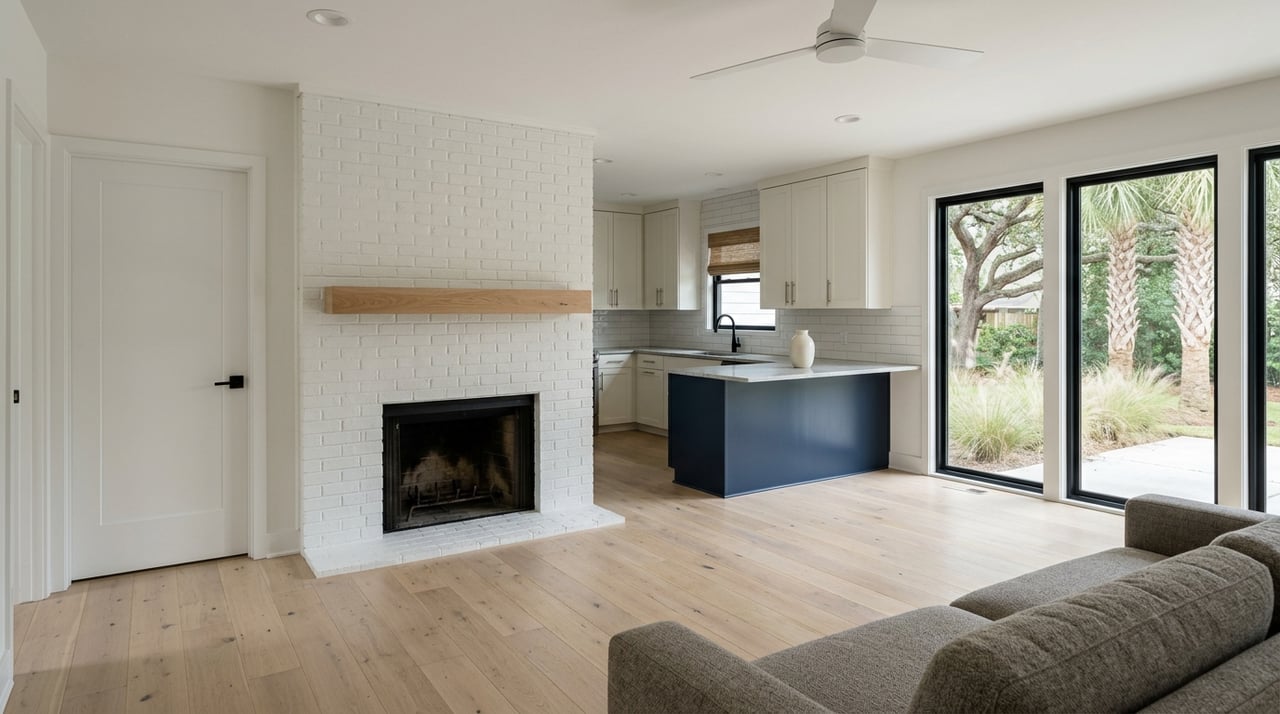
Staging is not about making your home look trendy. It is about helping buyers imagine living there. According to NAR’s 2025 Profile of Home Staging, 83% of buyers’ agents said staging makes it easier for buyers to visualize the property as a future home.
There is also a practical upside. About half of sellers’ agents reported faster sales, and 29% said staging produced a 1% to 10% increase in dollar value offered. Those results can matter in a market where buyers are comparing more options.
If you do not want to stage every room, focus on the spaces buyers notice first. NAR reports that the most commonly staged rooms are:
These are the rooms where space, flow, and condition tend to shape a buyer’s first impression. If these areas feel bright, clean, and open, your whole home may show better.
You do not need a full redesign to make your home more show-ready. NAR’s consumer guide recommends a practical approach:
You should also avoid overcrowded rooms, inconsistent cleanliness, and highly personal decor during showings. The goal is to help buyers focus on the home itself, not your belongings.
Many sellers think first about the calendar, but the better approach is to think about readiness. Realtor.com’s 2026 Best Time To Sell report says the week of April 12 through 18 is the strongest national listing window, with homes drawing 16.7% more views, selling about 9 days faster, and carrying prices about 1.3% above the yearly weekly average.
That said, the ideal list date only helps if your home is truly ready by then. The same report notes that 53% of sellers took one month or less to get their home ready to list. If you wait until spring to start decluttering, painting, and gathering documents, you may miss your best timing.
Here is a practical way to work backward from your target list date:
| Time Before Listing | What to Do |
|---|---|
| 4 to 6 weeks | Review pricing strategy, make a repair list, start decluttering |
| 3 to 4 weeks | Paint, handle small fixes, refresh curb appeal |
| 2 to 3 weeks | Stage main rooms, reduce furniture, organize closets |
| 1 to 2 weeks | Complete deep cleaning and finalize disclosures |
| Final days | Prepare for photos and keep the home show-ready |
This kind of schedule can reduce last-minute stress and help you present your home well from day one. That is especially important in a market where pricing and condition are under close review.
Paperwork is part of preparation too. The Texas Real Estate Commission says the Seller’s Disclosure Notice is required for previously occupied single-family residences and covers material facts and the physical condition of the property. Getting this ready early can help you avoid delays once showings begin.
If your home was built before 1978, lead-based paint disclosure rules also apply. Texas DSHS notes that lead-based paint was common in homes built before 1978, and disturbing old paint can create hazardous dust. If this applies to your property, it is best to be prepared before you list.
Having your disclosures ready before photos and showings begin can make the process feel smoother and more organized. It also helps buyers feel that the sale is being handled clearly and professionally.
If you are preparing to sell your home in Katy or Waller, the strongest approach is usually the simplest one. Price from recent sold homes, make visible updates buyers will notice, stage the main living spaces, and get your paperwork ready early. In a more balanced market, these steps can help you compete without overspending.
Selling a home is both a personal transition and a financial decision. Having a clear plan can help you protect your time, reduce stress, and make stronger choices before your home goes live. If you want thoughtful guidance on pricing, presentation, and next steps, Priscilla Raji is here to help.
Stay up to date on the latest real estate trends.
At Summit Realty Homes, we believe buying or selling a home in Houston should feel strategic, seamless, and rewarding. Our team combines deep market knowledge, skilled negotiation, and personalized service to help you achieve the best possible outcome. From first showing to final closing, we advocate for your goals and protect your investment every step of the way.

SUMMIT REALTY HOMES
5599 San Felipe Houston, TX 77056