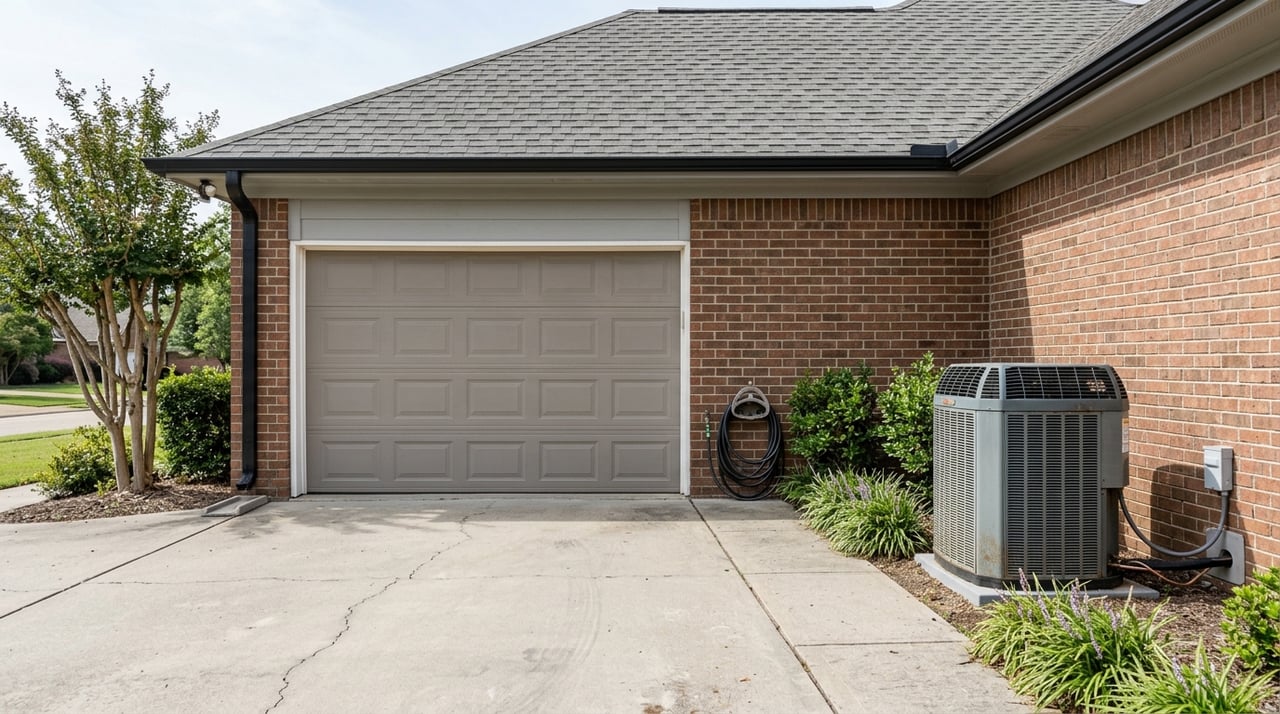
What To Expect When Owning A Rental Home In Richmond TX
May 14, 2026
May 14, 2026
Owning a rental home in Richmond, TX can look simple from the outside, but the day-to-day reality is more hands-on than many owners expect. You may be thinking about steady income, long-term wealth, or turning a former home into an investment, yet you also want to avoid surprises. The good news is that when you understand the local market, lease rules, maintenance duties, and city requirements, you can make smarter decisions from the start. Let’s dive in.
Richmond is a smaller city with a growing suburban feel, and that shapes what many renters are looking for. Census data shows 13,305 residents, 4,756 households, and an owner-occupied housing rate of 53.5%, which points to a mix of owners and renters in the local housing stock.
The city also shows signs of household stability. About 84.1% of residents lived in the same house one year ago, and the average household size is 2.40 people. For you as a rental owner, that can signal demand from renters who want a stable place to live rather than a very short stay.
Richmond also sits within the larger Fort Bend County market, which adds useful context. Fort Bend County had 958,434 residents in 2024, a 16.5% population increase from 2020 to 2024, and a 77.5% owner-occupied housing rate. That broader growth can support demand, especially for homes that fit commuter lifestyles and suburban living.
Current asking rents help frame your competition. Realtor.com’s March 2026 snapshot showed a median rental price of $2,300 in Richmond, with 702 rentals listed at that time. That number is different from Census median gross rent, which was reported at $1,319, but together they show both the broader rental base and the current asking-rent environment you may be entering.
A rental home in Richmond often appeals to people who want practical space and consistency. Based on local household size, commute patterns, and resident stability, your likely renter pool may include smaller households, commuters, and households looking for a home environment rather than an ultra-flexible short-term setup.
Communication also matters in this market. Census data shows that 41.9% of residents age 5 and older speak a language other than English at home, and 18.0% of residents are foreign-born. For you, that means clear, respectful communication can make a big difference during marketing, leasing, and ongoing management.
In Texas, the lease is the main operating document for a rental property. If a lease runs longer than one year, it must be in writing. If the lease is written, the landlord must provide a copy within three business days of signing.
That means your lease is not just paperwork. It sets the rules for rent, timing, responsibilities, and what happens during the tenancy. A well-managed rental starts with a clear lease and a clear plan for what happens when that lease ends.
Many rental homes use 12-month lease terms, while some owners prefer longer terms such as 24 to 36 months when stability is the goal. More flexible arrangements may work in some cases, but for many Richmond owners, the lease-end date becomes the key planning point for rent changes, renewal talks, or turnover preparation.
One of the biggest things to expect as a rental owner is that lease renewals require strategy. Texas law does not allow rent to be raised before the current lease term ends unless the tenant agrees. After the term ends, state law does not prohibit a higher renewal rate.
That means you need to think ahead before the lease expires. If you wait too long, you may lose time to market the property, schedule repairs, or line up the next tenant. If you plan early, you can review the market, decide whether to renew, and prepare for a smoother transition.
A simple renewal review can include:
Rental ownership is not passive, especially when repairs come up. Texas requires landlords to repair conditions that materially affect the health or safety of an ordinary tenant after proper notice. You should expect maintenance to be a regular part of ownership, not just an occasional issue.
It is also important to know what tenants can and cannot do under Texas law. Tenants generally cannot withhold rent simply because repairs are delayed. Even so, prompt attention matters because repair issues affect your property, your tenant experience, and your legal responsibilities.
The practical lesson is simple: build systems before you need them. Have a process for repair requests, trusted vendors, and follow-up communication so small issues do not become expensive ones.
Security deposits are another area where owners need to stay organized. In Texas, the security deposit must be refunded within 30 days after the tenant surrenders the property. The deposit also cannot be treated as last month’s rent.
This is one of those details that can create tension if you are not prepared. You should expect to document property condition carefully, track move-out dates, and handle deposit accounting on time. Good records help protect both your investment and your tenant relationship.
One of the most important local issues in Richmond is the city’s rental-registration requirement. The Building Department states that all single-family, multifamily, and condominium dwellings that are leased or rented must be registered.
The city brochure lists a $50 fee and a two-year registration period. It also requires you to keep owner contact information current, update changes within 30 days, and for new owners to register within 30 days after transfer if the property will remain a rental.
This is not a detail to overlook. The city notes code-enforcement consequences for failure to register, so you should expect this to be part of your regular operating checklist, just like insurance, leasing, and maintenance.
Some owners assume responsibility slows down when a tenant moves out. In Richmond, vacancy still comes with real responsibilities. The city’s code enforcement highlights common issues such as overgrown grass, visible trash or debris, stagnant water, unsecured vacant structures, and damaged fences.
That means a vacant home cannot sit unattended. If your property is between tenants, you still need to manage the exterior, monitor the yard, and keep the home secure. Vacancy is often when problems become more visible, so this is the time to stay especially proactive.
Flood due diligence is another smart expectation for Richmond owners. The city’s GIS page includes an interactive floodplain map using FEMA flood-hazard layers, but the city also states that the map is for general informational purposes only.
In other words, a quick map check is not enough if you are making insurance or risk decisions. Owners should verify flood-zone status and insurance implications using FEMA-backed tools before relying on general map information. That step can help you plan for costs, risk exposure, and better long-term decisions.
A rental home can create income and long-term value, but it works best when you treat it like an operating asset. In Richmond, that means paying attention to lease structure, renewal timing, repairs, registration, vacancy care, and flood due diligence.
This is where many owners feel the difference between owning a property and actively managing one. The home may be residential, but the decisions around it are ongoing and operational. When you approach it with a plan, you put yourself in a better position to protect income and reduce stress.
Some Richmond owners choose to self-manage, while others want support. In Texas, the Texas Real Estate Commission says a person who is paid to show or lease a single-family residential unit, or to control the acceptance or deposit of rent, generally must be licensed. At the same time, many back-office tasks like bookkeeping and arranging repairs generally do not require a license.
That makes self-management possible, but it also means third-party management should be set up the right way under Texas real estate rules. For many owners, professional property management becomes valuable when they want help with leasing, application review, repair coordination, communication, written accounting, and deposit handling.
That kind of support can be especially useful in Richmond because the city expects current contact information for nuisances, code issues, and emergencies. If you live out of area, own multiple properties, or simply want a more structured process, management support can make the experience more predictable.
If you are preparing to own or operate a rental home in Richmond, expect to stay on top of these basics:
Owning a rental home in Richmond can be rewarding, but it runs best when you stay organized, responsive, and informed. If you want guidance on buying, leasing, investing, or property management support in the Richmond area, Priscilla Raji offers the kind of thoughtful, strategic help that can make rental ownership feel more manageable.
Stay up to date on the latest real estate trends.

At Summit Realty Homes, we believe buying or selling a home in Houston should feel strategic, seamless, and rewarding. Our team combines deep market knowledge, skilled negotiation, and personalized service to help you achieve the best possible outcome. From first showing to final closing, we advocate for your goals and protect your investment every step of the way.

SUMMIT REALTY HOMES
5599 San Felipe Houston, TX 77056