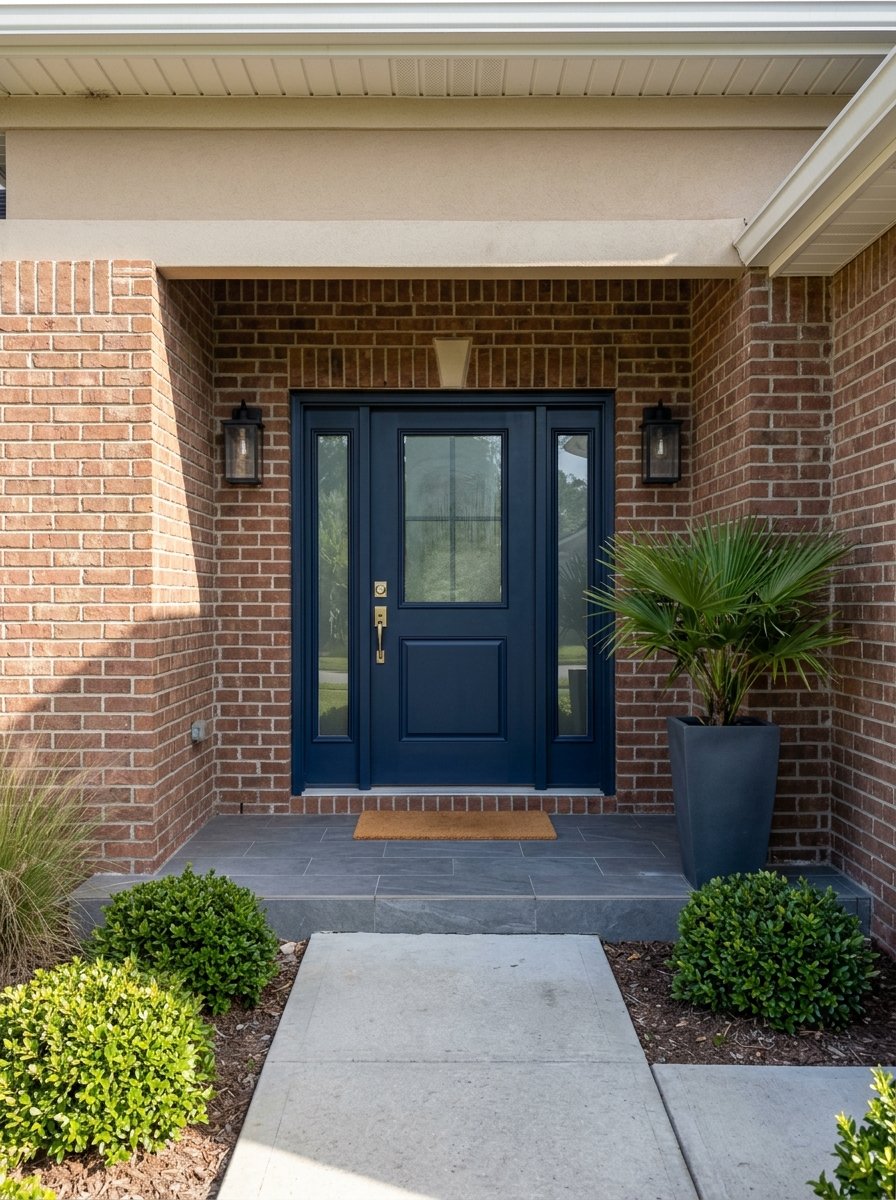
Steps To Get Your Richmond TX Home Market-Ready
May 28, 2026
May 28, 2026
Selling in Richmond is not as simple as putting a sign in the yard and waiting for offers. With inventory in Richmond-area market segments running from 4.6 to 5.3 months and days on market averaging roughly 54 to 56 days in April 2026, buyers have options and time to compare. That can feel stressful, but it also gives you a clear path: prepare well, price carefully, and present your home with intention. In this guide, you’ll learn the practical steps to get your Richmond home market-ready and avoid common pre-listing mistakes. Let’s dive in.
Richmond is not one single pricing zone, and that matters when you are getting ready to sell. In April 2026, the Fort Bend South/Richmond area showed 5.3 months of inventory and a median sold price of $365,692, while Fort Bend County North/Richmond showed 4.6 months of inventory and a median sold price of $465,290. Both areas were considered balanced markets.
In a balanced market, buyers are still active, but they tend to look more closely at condition, pricing, and overall value. Greater Houston posted 60 days on market in April 2026, and Texas homes averaged 82 days on market in February 2026. Statewide, median seller price cuts were $16,900, which shows why strong preparation up front can matter.
Before you clean, paint, or schedule photos, start with a realistic valuation conversation. Because Richmond market data can vary by submarket, a broad citywide estimate is usually less useful than nearby comparable sales from your specific area.
This step helps you set expectations for timing, buyer feedback, and possible negotiation room. It also helps you avoid over-improving the home for a price point the market may not support. A strong pricing strategy should reflect your home’s condition, the closest comps, and the current inventory around you.
One of the simplest ways to make your home feel more market-ready is to remove visual distraction. Decluttering helps buyers focus on the space itself instead of your day-to-day belongings.
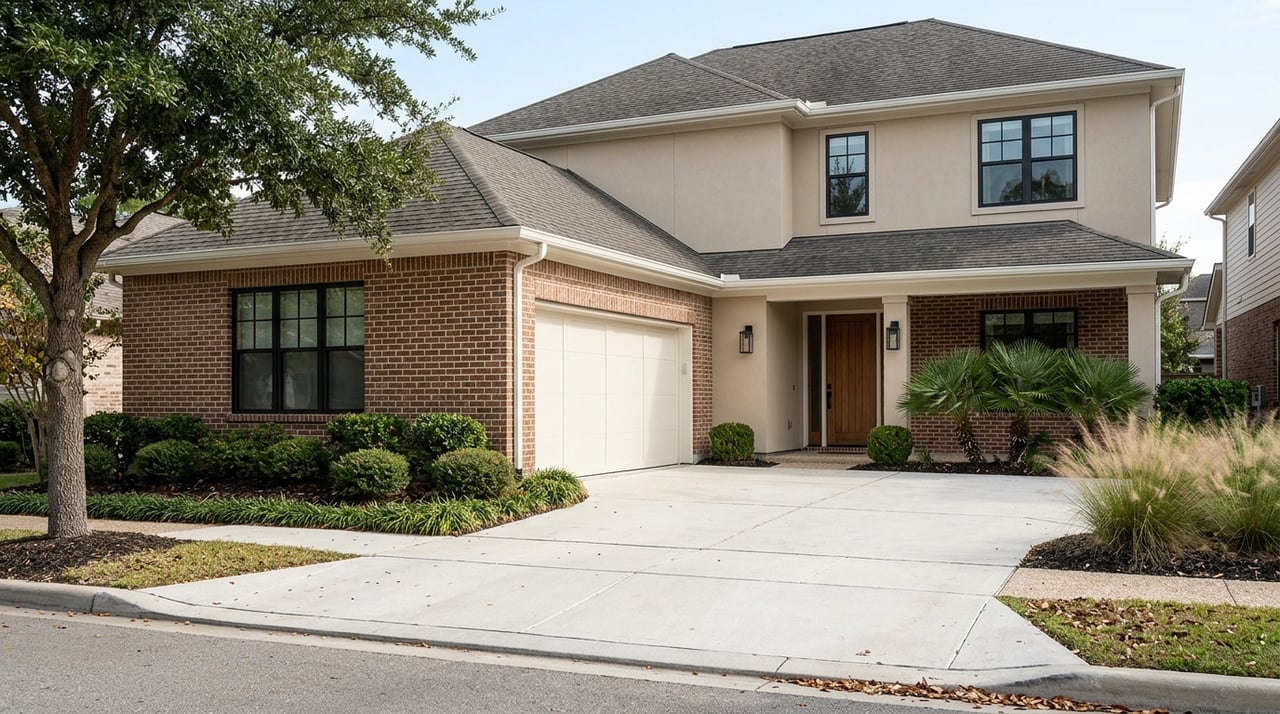
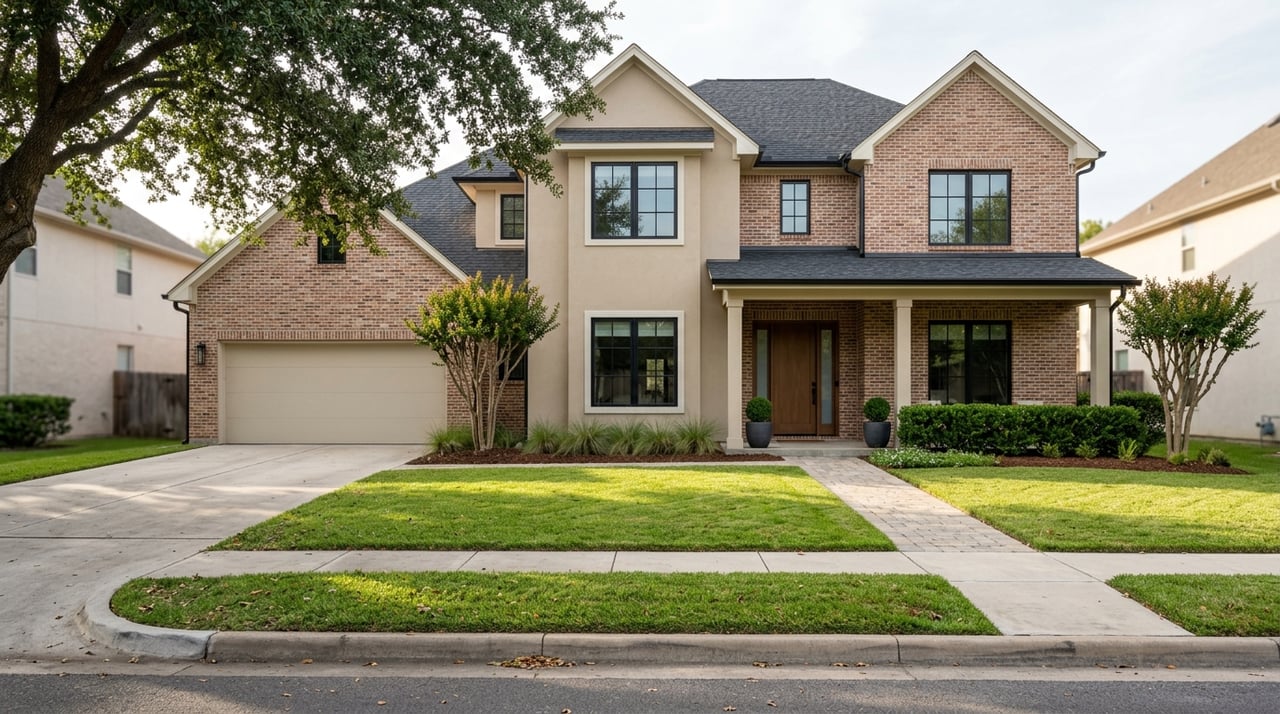
Recent staging research supports this approach. In 2025, 91% of sellers’ agents recommended decluttering, 88% recommended cleaning the entire home, and 77% recommended improving curb appeal.
As you prep, focus on removing:
If you are still living in the home, think of this stage as pre-packing with purpose. The less crowded your home feels, the easier it is for buyers to picture how they would use it.
A clean home signals care. In a market where buyers have choices, that can shape their impression before they even discuss price.
Deep cleaning should go beyond normal weekly chores. Pay close attention to kitchens, bathrooms, floors, baseboards, windows, ceiling fans, and any area with visible buildup or odors.
Your goal is not perfection. Your goal is to remove distractions that make buyers wonder whether bigger maintenance issues are hiding underneath.
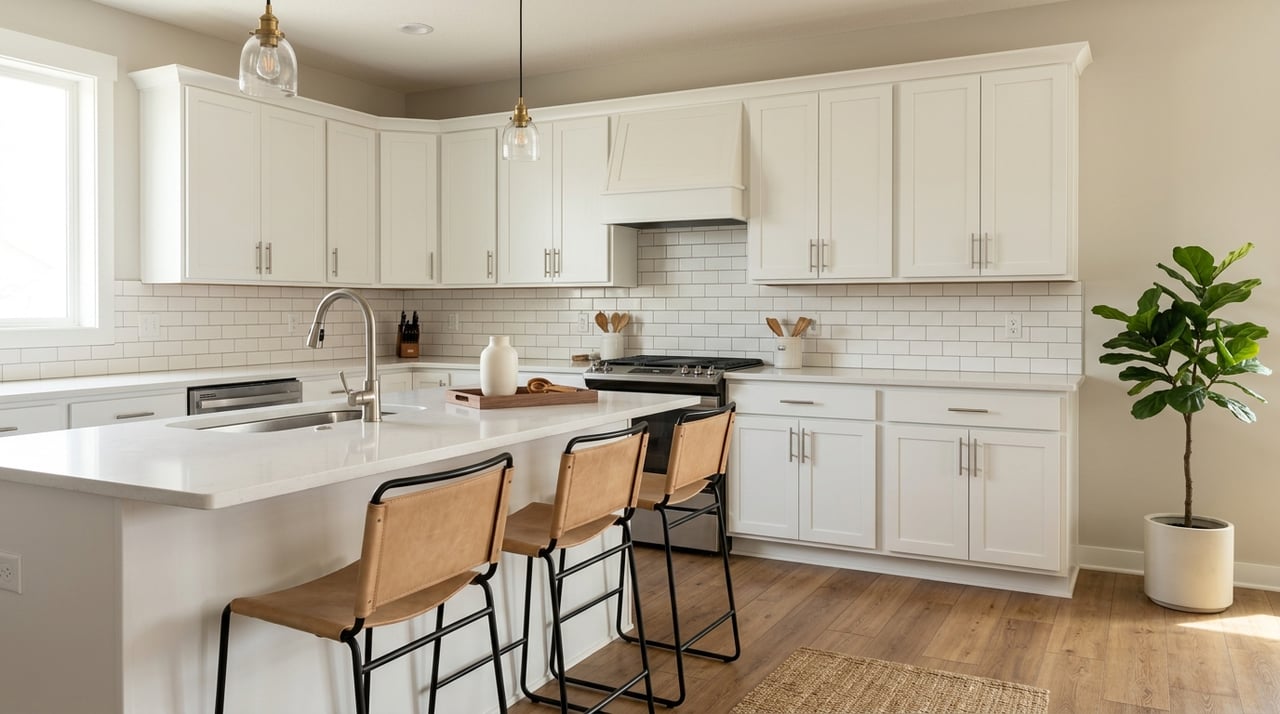
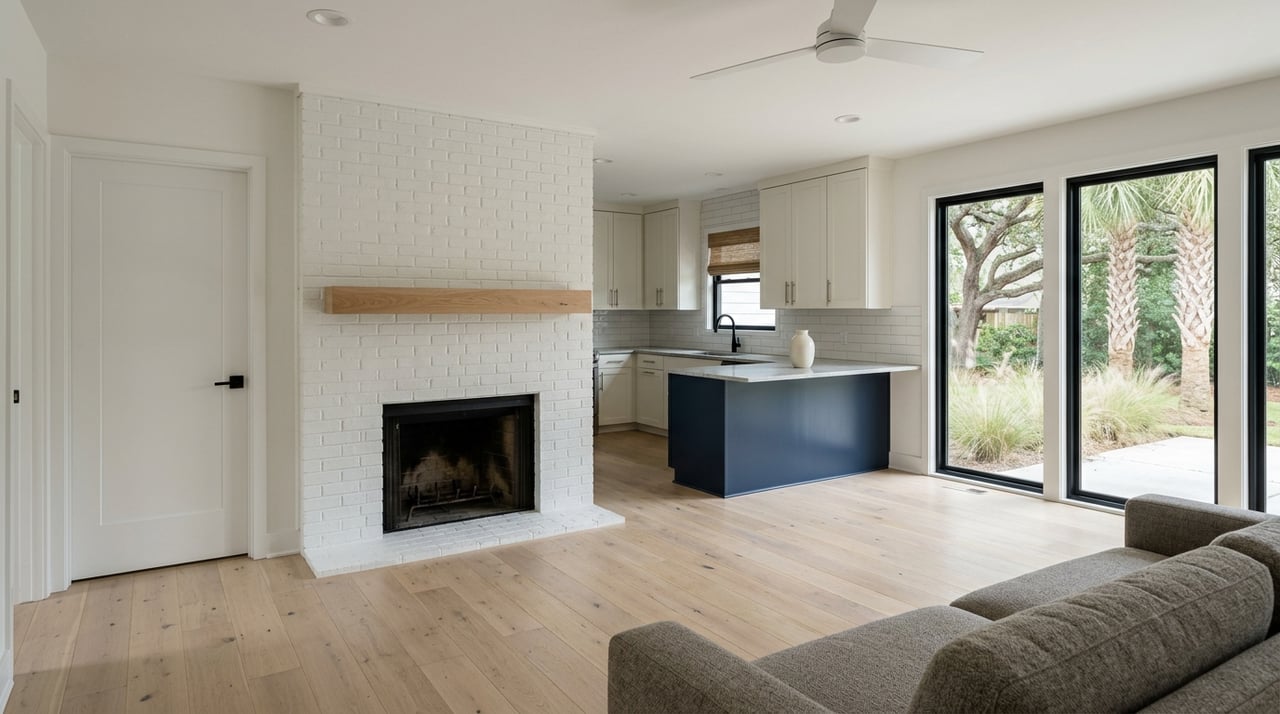
You do not need an elaborate redesign to make your home feel inviting. In most cases, simple staging choices can improve flow, light, and comfort without a major spend.
According to 2025 staging findings, 49% of sellers’ agents saw staging reduce time on market, and 83% of buyers’ agents said staging made it easier for buyers to picture the home as their future residence. The rooms staged most often were the living room, primary bedroom, dining room, and kitchen.
In Richmond, a practical staging plan should prioritize:
If your budget is limited, start here before spending money on less visible areas.
Many sellers wonder if they should renovate before listing. Usually, the better move is to choose modest improvements that improve buyer confidence without overextending your budget.
In the 2025 Remodeling Impact Report, the most commonly recommended pre-listing projects included painting the entire home, painting a single interior room, and installing a new roof where needed. The highest cost recovery projects included a new steel front door, closet renovation, and a new fiberglass front door.
That does not mean every Richmond seller should start replacing major items. It means visible, practical improvements often do more for marketability than a large remodel.
Consider updates like these:
These changes can make your home feel cared for, current, and easier for buyers to say yes to.
Small defects can create outsized concern during showings. A dripping faucet, sticky door, or burned-out bulb may seem minor to you, but a buyer may read it as a sign of deferred maintenance.
Before photos and showings, walk through your home as if you were seeing it for the first time. Look for anything that interrupts the sense that the home is ready for its next owner.
Your pre-listing maintenance checklist should include:
These are often low-cost fixes, but they can improve confidence and reduce buyer hesitation.
If you are considering repairs or updates that involve structural, electrical, plumbing, mechanical, or energy-related work, check city requirements before work begins. Richmond’s Building Department processes new permit and license applications through MyGovernmentOnline and lists adopted codes that include the 2024 International Residential Code, the 2023 National Electrical Code, and other current code sets.
This matters because unpermitted work can create stress later in the sale process. If you are doing more than cosmetic touch-ups, it is wise to verify whether permits are needed before you begin.
Floodplain and drainage questions can come up quickly in Richmond, so it helps to prepare early. The city provides an interactive floodplain map for general informational use, and it notes that flooding can be local or widespread and that flash floods can develop quickly.
If your home has any history related to flooding, drainage improvements, water intrusion, insurance claims, or elevation work, gather those records before you list. Having that information organized can help you answer buyer questions more clearly and avoid last-minute scrambling.
A smooth listing often starts with paperwork that is ready before the first showing. Texas Property Code Section 5.008 requires many sellers of residential real property with not more than one dwelling unit to provide a written Seller’s Disclosure Notice, completed to the seller’s best belief and knowledge.
If something is unknown, the law says you should indicate that. For homes built before 1978, federal rules also require disclosure of known lead-based paint and lead-based paint hazards, along with a lead warning statement and a buyer inspection opportunity.
A smart pre-listing file may include:
This kind of preparation helps you complete disclosures more accurately and respond to buyer questions with confidence.
Even a well-prepared home may not sell instantly in today’s market. In Richmond-area segments, average days on market were just over 53 to 56 days in April 2026, and broader Texas data showed an even longer statewide average.
That does not mean your home will sit. It means preparation and pricing should be built around today’s conditions, not around memories of a much faster market.
When you enter the market with a clean home, a solid pricing strategy, and clear disclosures, you put yourself in a better position to attract serious buyers and reduce avoidable friction. That is what market-ready really means.
If you’re thinking about selling and want calm, strategic guidance tailored to your Richmond submarket, connect with Priscilla Raji for a free home valuation and a plan built around your goals.
Stay up to date on the latest real estate trends.
At Summit Realty Homes, we believe buying or selling a home in Houston should feel strategic, seamless, and rewarding. Our team combines deep market knowledge, skilled negotiation, and personalized service to help you achieve the best possible outcome. From first showing to final closing, we advocate for your goals and protect your investment every step of the way.

SUMMIT REALTY HOMES
5599 San Felipe Houston, TX 77056