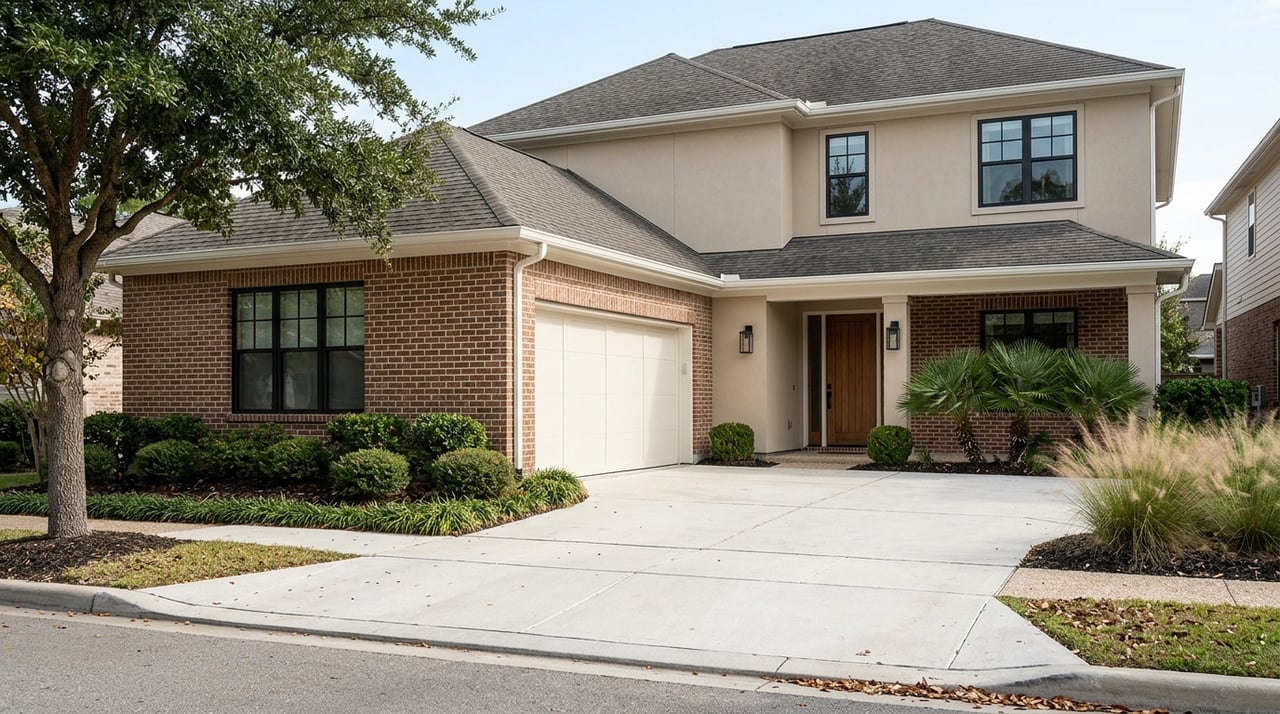
Understanding The Richmond TX Housing Market As A Buyer
April 16, 2026
April 16, 2026
If you are trying to buy a home in Richmond, TX, you may be wondering whether this is a market where you need to move fast, negotiate hard, or simply wait for the right fit. The truth is that Richmond sits in a growing part of Fort Bend County, but it is not a one-size-fits-all market. If you understand the local pace, price ranges, and neighborhood differences, you can make smarter decisions with less stress. Let’s dive in.
Richmond is a smaller city within a much larger growth story in Fort Bend County. According to the City of Richmond Annual Comprehensive Financial Report, the city’s population reached 12,211 in fiscal 2024, up from 11,611 in 2022. The same report notes that Fort Bend County was estimated at 944,637 residents in 2024 and is expected to grow past 1 million by the end of 2026.
For you as a buyer, that matters because population growth can keep housing demand active even when homes are not flying off the market overnight. More households, continued migration, and ongoing development all support long-term interest in places like Richmond. That helps explain why buyers continue to watch this area closely.
Recent data suggests Richmond is active, but not overly aggressive. Zillow’s Richmond market data shows a typical home value of $379,856, a median sale price of $361,167, and about 74 days to pending. The same source shows a sale-to-list ratio of 0.968, with 79.4% of sales closing under list price.
That combination usually points to a market with some room to negotiate, not a market where every buyer must enter a bidding war. Homes can still sell, but buyers often have time to review options, compare value, and make measured offers. Your approach should be thoughtful, not rushed.
One of the most important things to know is that Richmond can vary a lot depending on where you look. Zillow’s neighborhood-level data shows a wide spread, from roughly $206,956 in Greenwood to about $891,840 in Texana Plantation, with Riverpark around $386,762 and Summer Lakes around $355,930. That is a major range within the same city label.
For you, this means the name “Richmond” does not tell the whole story. Price, lot size, home age, HOA structure, and whether a property sits in an older core area or a newer-growth subdivision can all affect value. Two homes in Richmond may offer very different lifestyles, costs, and resale potential.
Richmond’s planning documents show a market still centered on detached single-family homes. The city’s development rules distinguish between single-family detached homes, attached homes, duplexes, triplexes, and townhouses. The city’s planning direction also supports a broader housing mix while avoiding heavy dense multifamily growth.
That means many buyers will spend most of their search comparing detached single-family homes, especially in newer-growth areas where developable land remains. According to Richmond planning documents, the city and its extraterritorial jurisdiction are expected to grow from 41,000 to 73,000 residents over the next 25 years, with much of that growth going into surrounding developable areas, as outlined in the Richmond planning documents. If you want more options on lot size and newer construction patterns, this local growth context is worth paying attention to.
Richmond’s housing demand is closely tied to jobs, public planning, and regional growth. The City of Richmond report lists major local employers that include Lamar Consolidated ISD, Fort Bend County, Richmond State School, Oak Bend Medical Center, Oak Bend Hospital, H-E-B, Walmart, Access Health, and the City of Richmond. The same report notes Lamar CISD enrollment at 46,953 in 2024.
This does not guarantee the same level of demand in every price point or neighborhood, but it does show why Richmond remains relevant to a broad range of buyers. A stable employer base and county growth can help support ongoing housing activity. For many buyers, that makes Richmond worth a serious look for both current living needs and longer-term value.
City planning may not sound exciting at first, but it can affect your day-to-day experience in a big way. Richmond says its Comprehensive Master Plan update is the guide for growth, redevelopment, and enhancement over the next 20 years. The update emphasizes residential and business growth, mixed-use development, and preserving the city’s historic character.
For you, that means future change is not random. As the city grows, some areas may gain new amenities, connections, and development activity. At the same time, growth can bring more traffic and heavier use of roads, which is already a county-level concern according to public reports.
If you are deciding between Richmond and other Fort Bend County locations, local price positioning can help. Zillow’s city-level data places Richmond at $379,856 in typical home value, above Katy at $338,082, Missouri City at $336,288, and Rosenberg at $313,841, but below Sugar Land at $447,176. Richmond also appears to move a little slower than some nearby markets, with about 74 days to pending compared with about 35 in Sugar Land, 48 in Katy, 61 in Missouri City, and 63 in Rosenberg.
That makes Richmond feel like a mid-priced option within the broader Fort Bend market. It is not the least expensive nearby choice, but it also sits below Sugar Land on this measure. For buyers, that can create an interesting balance between price, pace, and choice.
Many buyers want to know one thing first: can you negotiate in Richmond? Based on the market data, the answer is often yes, but with some caution. Richmond’s 0.968 sale-to-list ratio is close to nearby areas like Katy, Missouri City, Rosenberg, and Sugar Land, which suggests that pricing is fairly efficient across the region.
In practical terms, you should not assume every seller will accept a deep discount. Instead, offer strategy should depend on the property’s condition, how long it has been on the market, and how it compares with similar homes in that price band. Strong financing, clear terms, and realistic expectations still matter.
List price is only part of the picture. Before you move forward on a home in Richmond, it helps to look carefully at the full monthly cost and any property-specific risks.
Important items to review include:
These factors can change affordability more than many buyers expect. A home that looks manageable on paper can feel very different once taxes, dues, insurance, and repair needs are included.
Richmond is a market where details matter. Asking the right questions early can help you avoid overspending or choosing the wrong area for your needs.
Here are a few smart questions to discuss during your home search:
These are simple questions, but they can shape everything from your offer strength to your long-term comfort with the purchase.
Richmond can be a strong option if you want access to a growing Fort Bend County market without stepping into the fastest-moving nearby submarkets. The local data points to a market with moderate pace, a wide range of price points, and room for strategy. It also points to the importance of looking beyond the city name and focusing on submarket differences, monthly costs, and future growth patterns.
If you are buying in Richmond, the goal is not just to find a house. It is to find the right combination of price, location, property type, and long-term fit. With a careful plan, you can approach this market with confidence instead of guesswork.
If you want thoughtful guidance as you search in Richmond and the surrounding Houston-area markets, Priscilla Raji offers the kind of clear, care-driven support that can help you make a smart move.
Stay up to date on the latest real estate trends.
At Summit Realty Homes, we believe buying or selling a home in Houston should feel strategic, seamless, and rewarding. Our team combines deep market knowledge, skilled negotiation, and personalized service to help you achieve the best possible outcome. From first showing to final closing, we advocate for your goals and protect your investment every step of the way.

SUMMIT REALTY HOMES
5599 San Felipe Houston, TX 77056